Neither “Korean head spa” nor “Japanese head spa” is an official category in the US, and neither label guarantees a set list of steps. The real difference between two head spas is on the menu: the steps, the time, the products and who does the work, not the country in the name.
That makes “Korean head spa vs Japanese head spa” a question you answer by reading menus. Below: how the two labels tend to travel, why “Korean spa” often means something else entirely, a table for comparing any two menus, and what the word “Japanese-inspired” means at one South Carolina head spa.
Two labels, no official standard
No US regulator defines either term, and state law doesn’t separate them. In South Carolina, for example, the cosmetology chapter of the state code has no head spa category at all; scalp work for pay is simply cosmetology (more on that at the end).
So the label is marketing shorthand. It can signal a style, a product line or a training a spa invested in. It can’t tell you, on its own, whether you will get a magnified scalp check, a long cleanse at the basin, a mask, a blow-dry, or forty minutes or ninety.
How the two labels tend to be used
The official tourism guides of Seoul give a sense of how the Korean side of the term travels. Visit Seoul lists a hair salon in Myeongdong that offers a “head spa experience” alongside cuts, perms, color and scalp and hair care (Visit Seoul, June 2026).
The same guide lists a scalp-care lab that advertises device-based care and what it calls a one-on-one “scalp diagnosis” by scalp and hair-loss specialists, in private rooms (Visit Seoul, November 2023). In other words, the Korean label covers both a salon add-on and a clinic-style program.
On the Japanese side, the name usually travels with product lines and pace. Milbon, for instance, is a Japanese maker of salon-exclusive hair care, founded in July 1960 and based in Tokyo (Milbon company profile). When a US menu says “Japanese,” look for which line it names and how much time it gives the cleanse.
“Korean spa” usually means a bathhouse, not a head spa
One source of confusion is a different phrase. “Korean spa” often refers to a jjimjilbang, which the Korea Tourism Organization describes as a Korean-style sauna that combines a traditional bathhouse with a hot steam room (VisitKorea).
A jjimjilbang is a place to bathe, sweat in hot rooms and rest. A head spa is a one-person scalp treatment in a chair or on a bed. If a search for “Korean spa” turned up bathhouses with saunas and pools, that is why.
Compare the menu, not the country
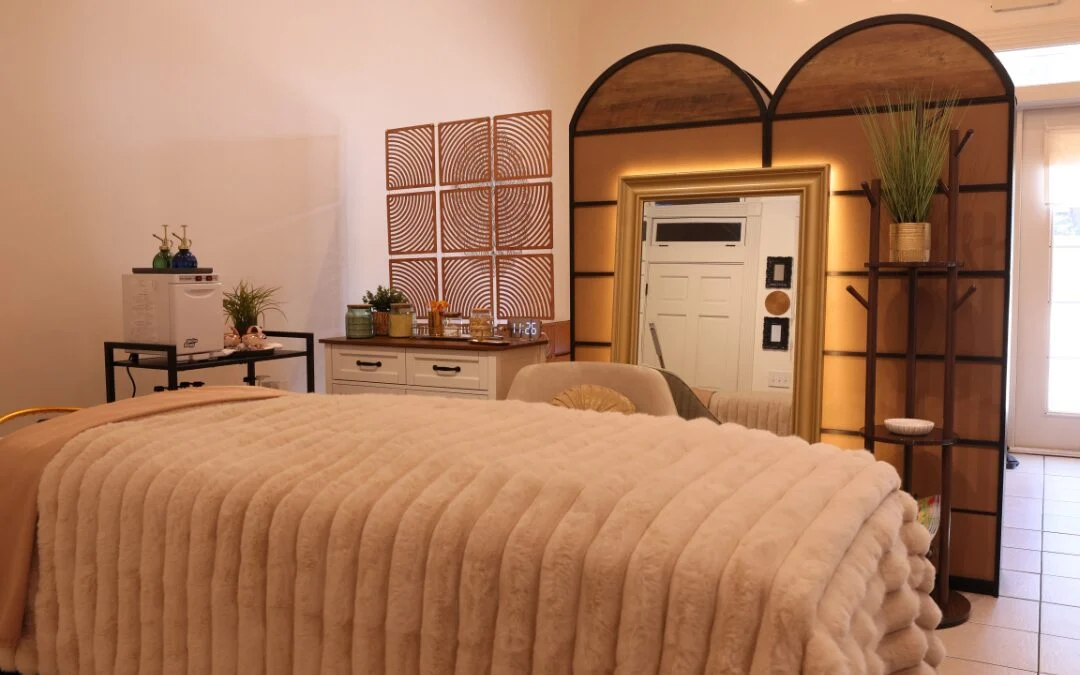
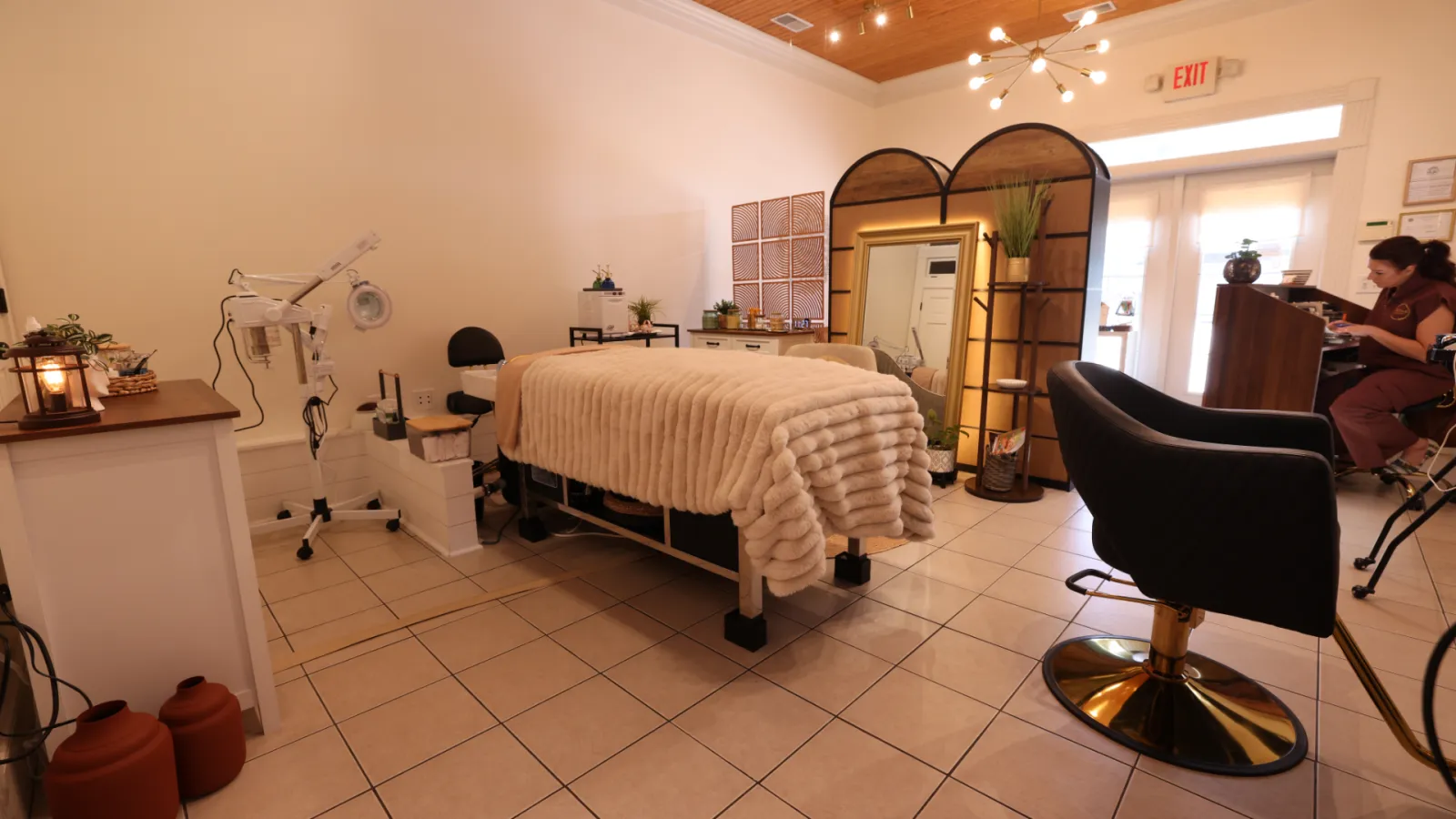
Whatever the label, these are the questions that decide what you actually get. The right-hand column shows how one menu, Park Circle Head Spa’s in North Charleston, answers them.
| If you want… | Look for on any menu | Park Circle Head Spa’s menu |
|---|---|---|
| A treatment fitted to your scalp | A magnified scalp check at the start, and ideally again at the end | Every ritual opens with a scalp analysis and closes with a second look |
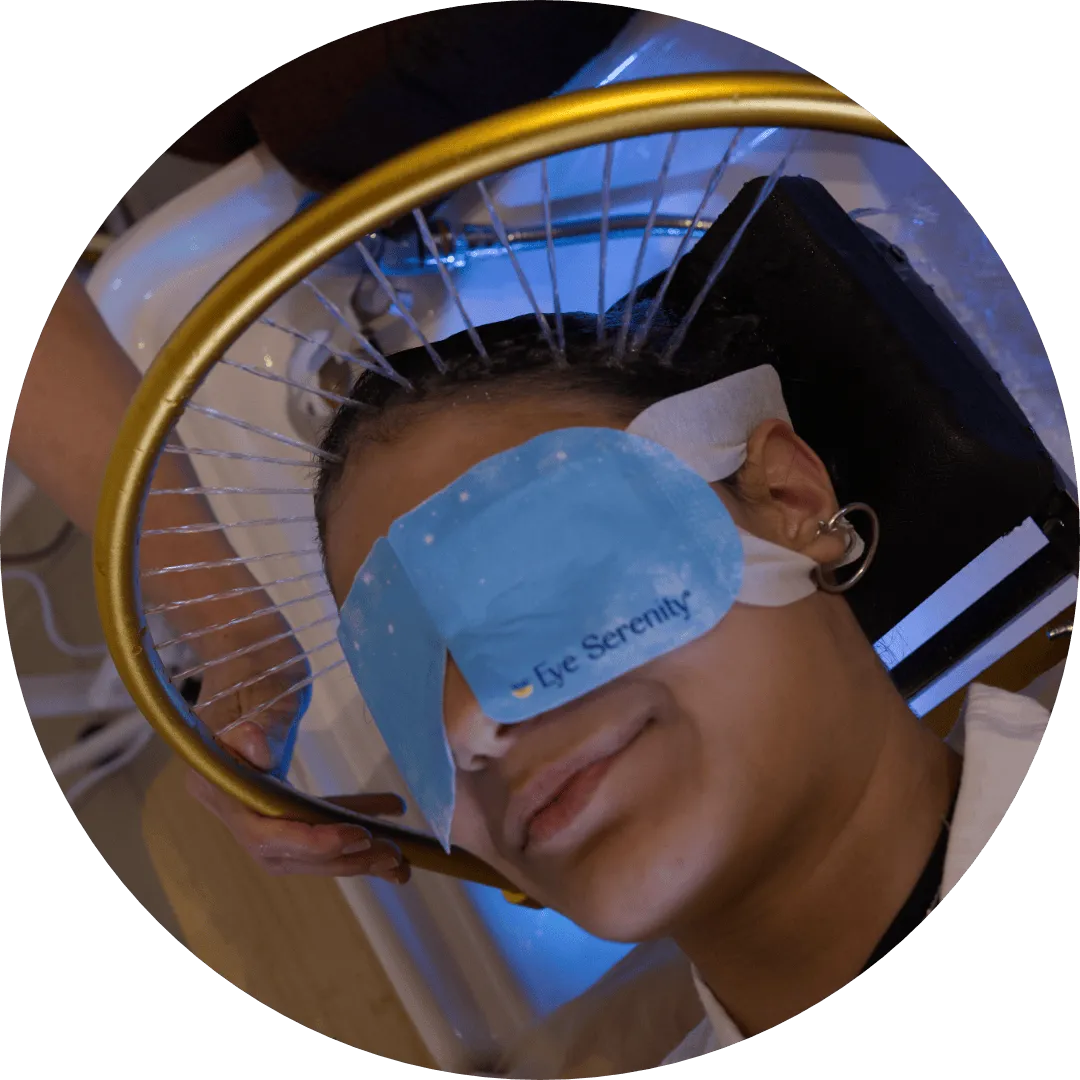
| A real cleanse, not a quick rinse | A double cleanse at the basin, and how much time it gets | A warm double cleanse with Japanese scalp formulas in every ritual |
| To know what is going on your scalp | Named product lines you can look up | New Milbon Gold line in the 90-minute Ultimate Reset |
| To leave with styled hair | Whether a blow-dry is included | Blow-dry from 60 minutes up; the 30-Minute Reset has none |
| Extras like a facial or hand care | Which length includes them | Mini facial or hand treatment at 75 minutes; both at 90 |
| Quiet | Private room or open floor; one practitioner or a hand-off | One private room, one practitioner from start to finish |
| Devices such as LED or microcurrent | Whether the menu lists them by name | Not listed on the menu; the ritual is hands, water, steam and products |
The full menu and lengths are on the four rituals on the spa’s home page.
What “Japanese-inspired” means at Park Circle Head Spa
Park Circle Head Spa, in North Charleston’s Park Circle neighborhood, describes itself as “Japanese-inspired scalp care.”
On the spa’s home page, the practitioner, Layla, explains why she opened it: after “more than fifteen years behind the chair as a stylist,” she wanted to do “the part I love most: caring for the scalp, slowly and properly, with no clock on the wall.”
In practice, the Japanese part shows up in two places: the Japanese formulas used for the double cleanse and the Milbon line in the longest ritual. The rest is pace and attention. “No two scalps are alike, so no two visits are the same,” the site says, and every visit starts with a scalp analysis before anything else happens.
For the basics behind the label, the spa’s guide to what a head spa is walks through the five steps.
In South Carolina, both labels are cosmetology
Whatever a menu calls it, scalp work for pay in South Carolina is cosmetology. The state code defines cosmetology to include “cleansing, stimulating, manipulating, beautifying, or similar work” on the scalp done for compensation (S.C. Code, Section 40-13-20), and requires a licensed salon to display its license in a conspicuous place (Section 40-13-300).
That gives every client the same practical test, Korean label or Japanese: the person working on your scalp should be licensed for it, and the salon license should be on the wall. If you’d like to try the Japanese-inspired version in Park Circle, Reserve your ritual.